Dark Social in B2B Marketing: Turning Invisible Engagement into ABM Pipeline Growth
Your analytics platform flags a sudden spike in direct traffic from one of your priority accounts. There’s no referral source, no campaign attribution, no obvious trigger — just a noticeable increase in engagement.
For many marketing teams, this looks like a tracking gap. But in reality, it often indicates something far more strategic: dark social at work.
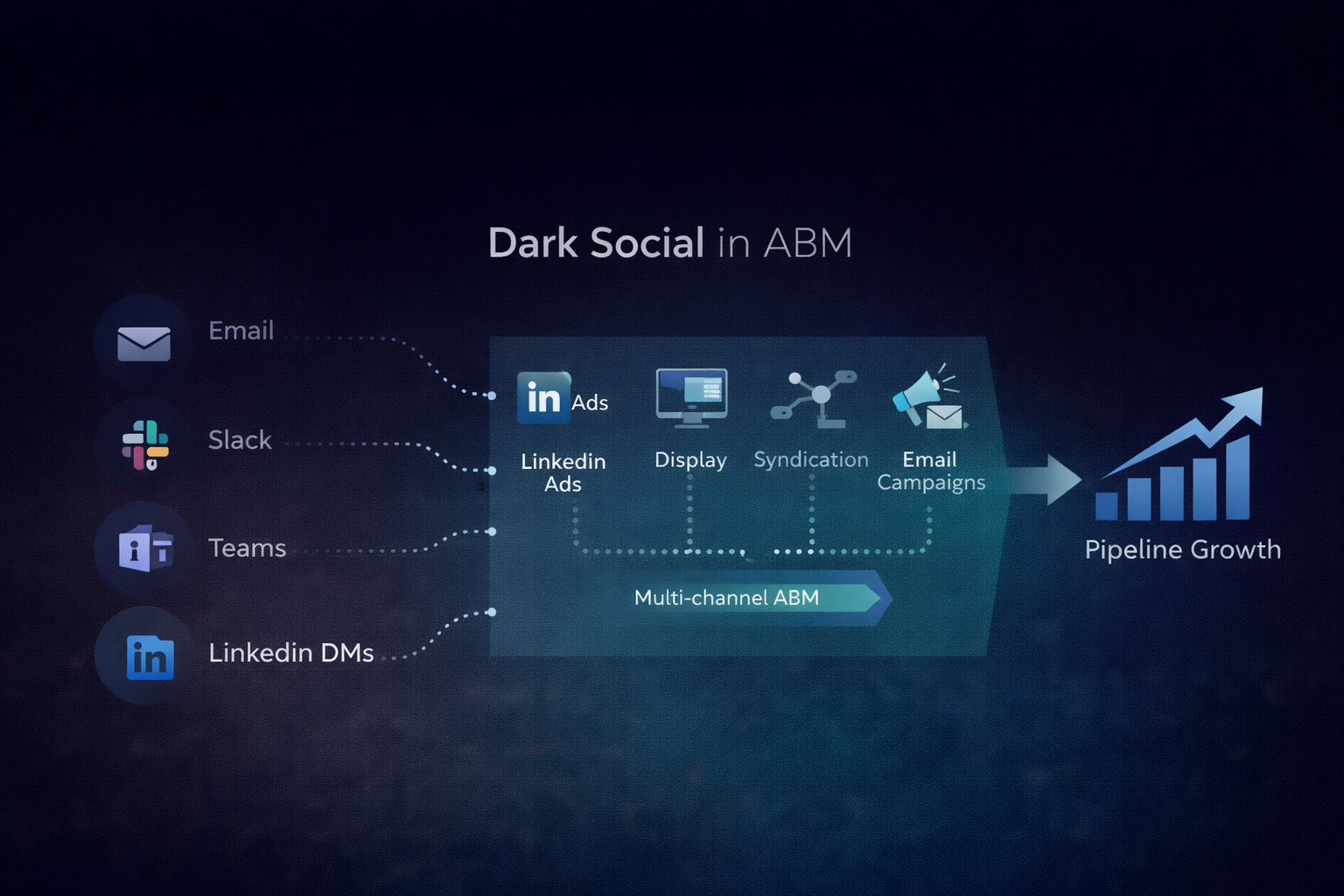
As explored in Dark Social: How to Turn Your Biggest B2B Knowledge Gap into an ABM Advantage, much of B2B content sharing happens in private channels — Slack conversations, Microsoft Teams discussions, internal email threads, and LinkedIn direct messages. These exchanges don’t register in traditional analytics systems, yet they frequently represent the strongest signals of buying intent.
For B2B leaders, the objective isn’t to eliminate dark social — that’s impossible. The opportunity lies in understanding how to harness it as a driver of account-level momentum and pipeline growth.
What Dark Social Really Means in B2B
Dark social refers to web traffic and content sharing that cannot be traced back to a visible referral source. In B2B environments, this phenomenon is amplified by complex buying committees and long decision cycles.
Unlike B2C purchases, where a single buyer may act quickly, B2B decisions involve 10, 15, sometimes 20+ stakeholders collaborating across departments.
Here is how dark social typically unfolds:
A marketing leader discovers your report via LinkedIn
They forward it to finance for ROI validation
Finance shares it with procurement via email
IT discusses implementation feasibility in Microsoft Teams
A champion messages your case study privately on LinkedIn
From your analytics perspective, it all appears as “direct traffic.”
But behind the scenes, internal consensus is forming.
Why Dark Social Creates a Strategic Knowledge Gap
When dark social dominates engagement, attribution models break down.
Marketing teams struggle to answer critical questions:
Which channel initiated the buying journey?
Which asset moved the deal forward?
Which touchpoints deserve additional investment?
This misalignment can distort budget allocation and campaign optimization.
More importantly, it hides your strongest signal: internal advocacy.
When someone shares your content privately, they are endorsing it. That endorsement carries more influence than a public “like” or comment.
The issue is not visibility — it is measurement.
The ABM Shift: From Attribution to Account Momentum
Instead of chasing every untrackable click, modern B2B organizations are shifting from contact-level attribution to account-level momentum tracking.
This is where account-based marketing (ABM) becomes essential.
A multi-channel ABM strategy reframes dark social:
Rather than tracking every share, you track stakeholder coverage
Rather than measuring individual clicks, you measure account-wide engagement
Rather than optimizing for CPL, you optimize for pipeline velocity
When multiple contacts within a single account begin engaging across different channels, you know internal discussions are happening — even if you cannot see them directly.
The signal becomes collective.
Illuminating Dark Social with Multi-Channel Orchestration
The solution is not deeper surveillance. It is strategic orchestration.
When you engage buying committees simultaneously across channels, you create observable patterns that reveal intent.
Effective orchestration includes:
LinkedIn ABM targeting for executive awareness
Display advertising reinforcing core themes
Content syndication reaching distributed stakeholders
Email nurture sequences supporting education
Sales outreach triggered by account-level engagement spikes
When three or more stakeholders from a target account interact with your content within a short timeframe, that pattern indicates internal alignment.
Dark social amplifies your message internally. Multi-channel ABM makes that amplification visible externally.
Designing Content for Private Sharing
You cannot track every Slack thread — but you can design for it.
High-performing B2B content is inherently shareable within internal discussions.
Strategic asset types include:
1. ROI and TCO Calculators
Enable champions to justify budget allocation.
2. Industry Benchmark Reports
Arm stakeholders with third-party validation.
3. Executive Briefing Documents
Provide C-suite-ready insights that can be forwarded easily.
4. Comparison Guides
Help buying committees evaluate alternatives collaboratively.
When assets are built for internal validation, dark social becomes an accelerant rather than an obstacle.
Moving Beyond “Direct Traffic” Blind Spots
Traditional analytics classify dark social traffic as “direct.” But this misclassification does not eliminate insight.
Instead, look for patterns such as:
Sudden spikes in engagement across multiple contacts at one account
Accelerated time between first touch and sales meeting
Increased repeat visits to pricing or solution pages
Cross-department engagement within the same organization
These behaviors signal coordinated internal discussion — often driven by private sharing.
By correlating these patterns with multi-channel campaign activity, marketers can infer dark social impact without tracking every message.
Account-Level Metrics That Matter
To operationalize this shift, measurement frameworks must evolve.
Focus on:
Stakeholder penetration rate – How many individuals within the account are engaging?
Engagement velocity – How quickly does engagement spread internally?
Content depth – Are stakeholders consuming multiple assets?
Opportunity acceleration – Do high-engagement accounts move faster through the pipeline?
Win-rate lift – Are multi-touch accounts converting at higher rates?
These metrics reflect consensus building — the real driver of B2B revenue.
Dark Social as Competitive Advantage
Many marketing teams treat dark social as a reporting failure.
Leading organizations treat it as evidence of influence.
If your content is being privately shared:
It is credible
It is relevant
It is persuasive
It is sparking internal conversation
The key is ensuring your strategy amplifies that conversation rather than relying on visible engagement alone.
When ABM, syndication, paid media, and sales activation work together, dark social becomes momentum fuel.
From Invisible Signals to Revenue Impact
You cannot attach UTM parameters to a Slack thread.
But you can design a system that makes private engagement strategically irrelevant.
By orchestrating campaigns across channels and measuring account-level momentum, you convert hidden sharing into measurable pipeline acceleration.
The future of B2B marketing is not perfect attribution. It is intelligent inference supported by coordinated activation.
If your organization is still optimizing for last-click performance, you may be underestimating your strongest buying signals.
Our team helps B2B leaders build multi-channel ABM frameworks that illuminate account momentum — even when engagement happens behind closed doors.
Let’s explore how your strategy can transform dark social from a blind spot into a revenue advantage.
FAQs
Dark social refers to content sharing and traffic that cannot be traced through standard analytics tools, typically occurring in private channels like email, Slack, or direct messages.
Because most B2B buying decisions involve multiple stakeholders who collaborate privately, dark social often represents high-intent engagement within target accounts.
Not fully. Instead, marketers should focus on account-level engagement patterns and multi-channel activity to infer internal discussion momentum.
By engaging multiple stakeholders across platforms simultaneously, ABM creates observable engagement spikes that signal internal consensus-building.
Account penetration rate, engagement velocity, opportunity acceleration, and revenue attribution provide a more accurate picture of dark social impact.
Recent Blogs
-
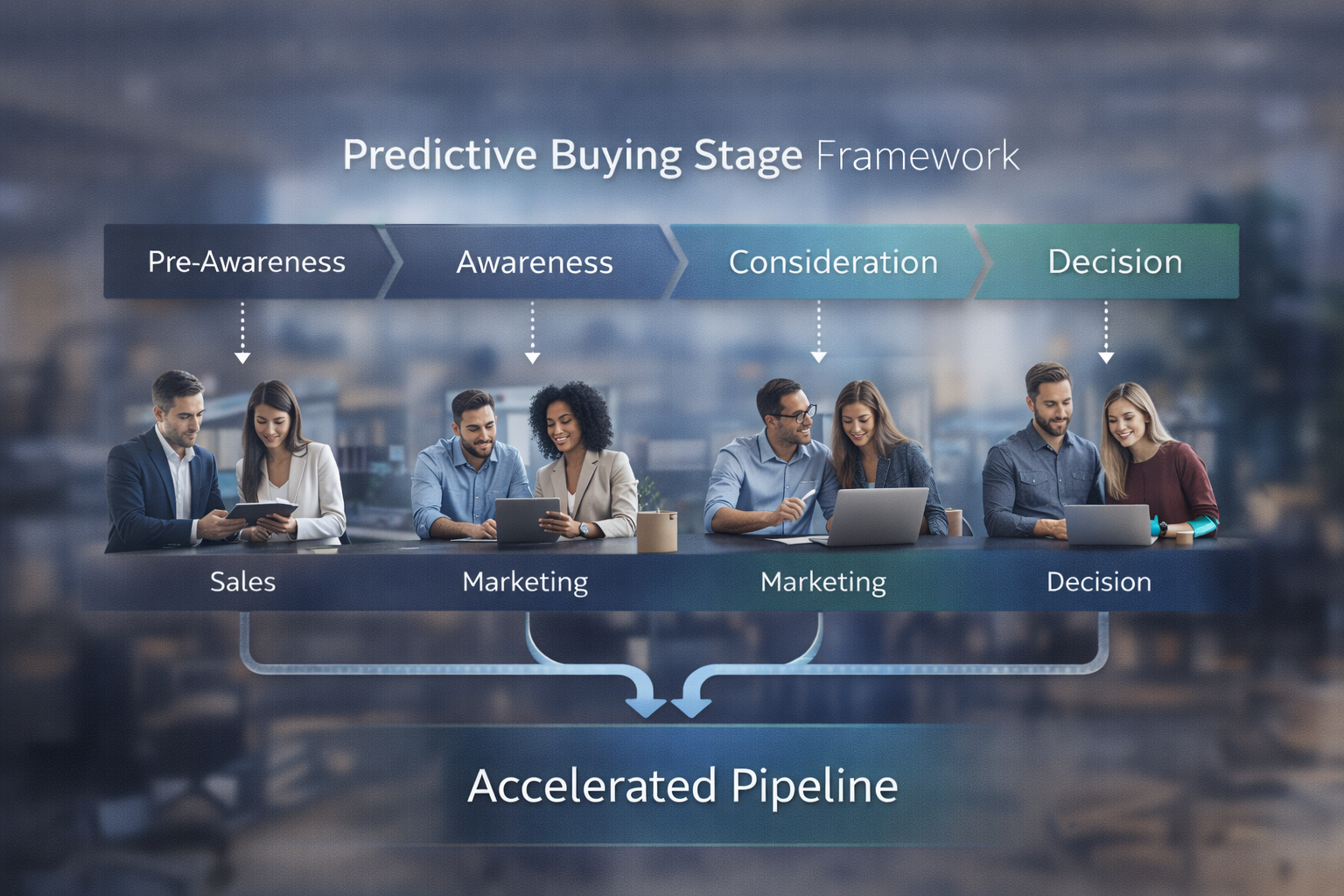
Predictive Buying Stage Intelligence: Aligning Sales and Marketing for Smarter B2B Revenue Growth
-
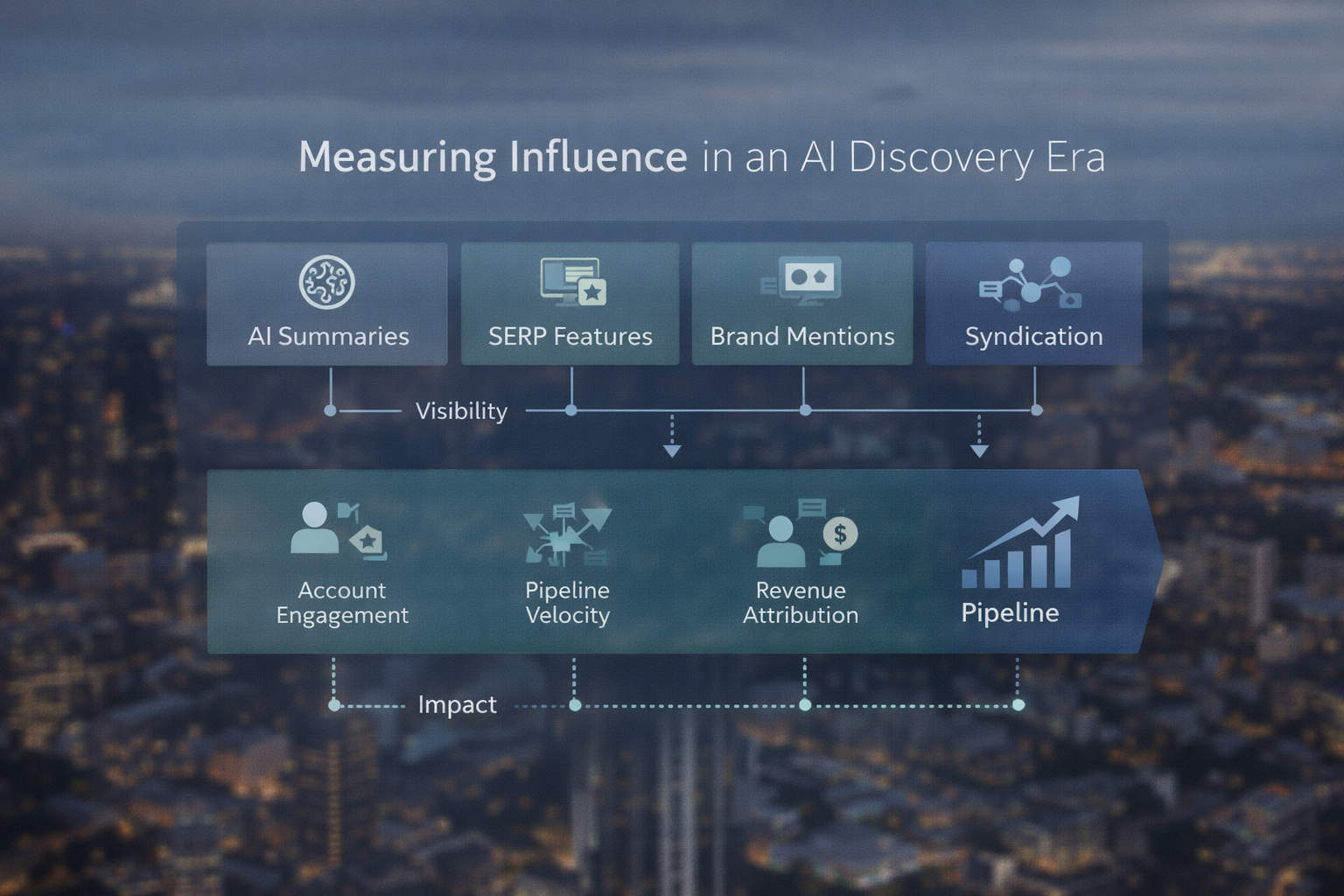
Measuring B2B Marketing Performance in an AI-Driven, Zero-Click Landscape
-
Dark Social in B2B Marketing: Turning Invisible Engagement into ABM Pipeline Growth
-
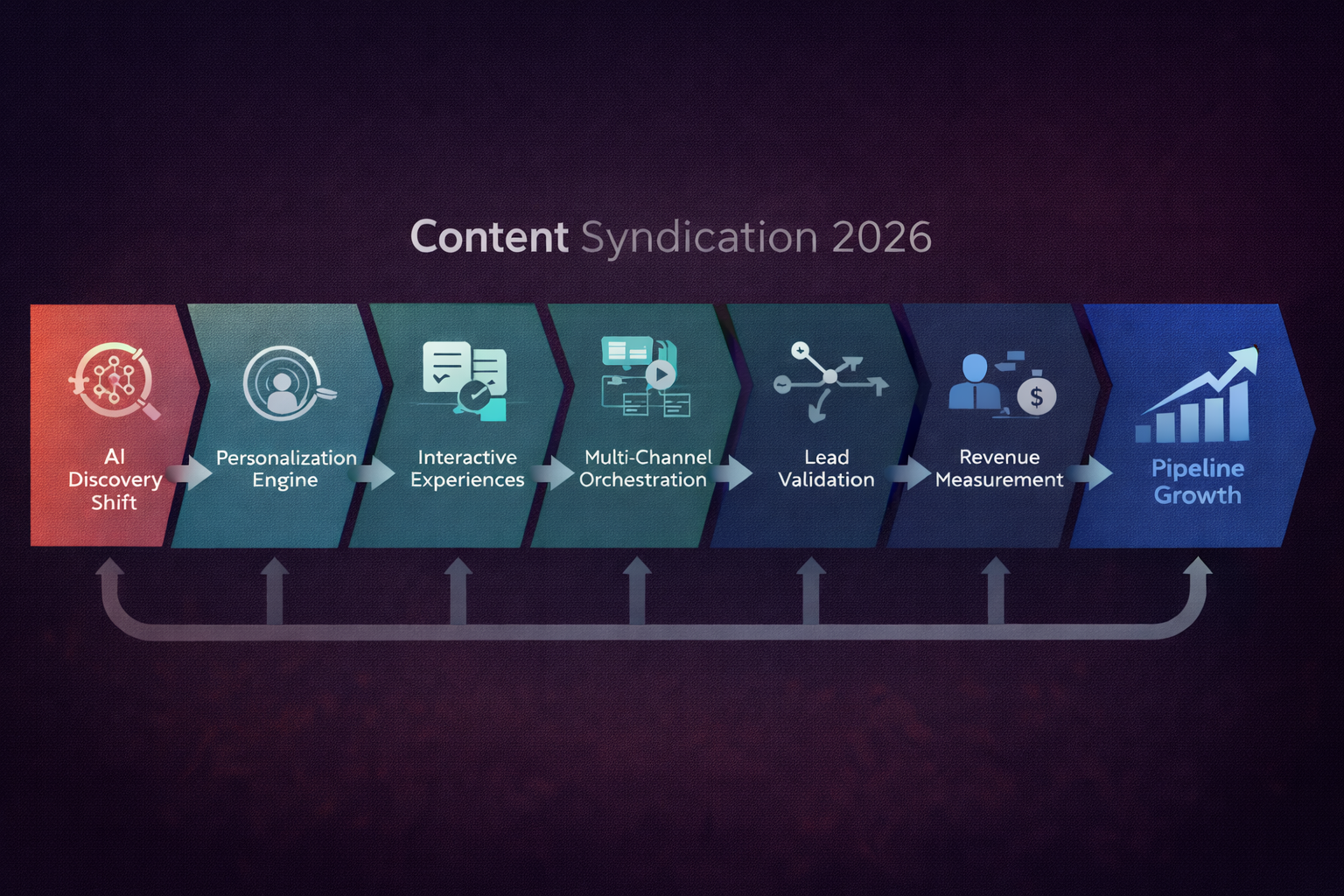
Content Syndication for ABM in 2026: 6 Strategic Shifts Driving Revenue, Not Just Leads
Get the Right Solution You Need from Our Expert Team Today
Quick, reliable support tailored to you.