Strategic Content Partnerships in B2B: A Modern Framework for Building Thought Leadership

In today’s saturated B2B environment, publishing high-quality content is no longer enough. Nearly every organization claims expertise. Nearly every brand produces blogs, whitepapers, webinars, and reports.
Why Traditional Thought Leadership Is Losing Its Edge
Thought leadership once relied heavily on owned channels — corporate blogs, newsletters, and company reports. While these assets remain important, market conditions have changed:
Content volume has increased dramatically.
Buyer skepticism has intensified.
Algorithms favor distribution scale.
Multi-stakeholder buying committees demand third-party validation.
In this environment, authority cannot rely solely on self-published insights. It must be reinforced by credible external association.
Strategic partnerships provide that reinforcement.
The Strategic Value of Content Partnerships
Content partnerships go beyond promotional collaboration. When structured properly, they create a multiplier effect across three critical areas:
1. Expanded Market Access
Collaborating with aligned industry organizations introduces your brand to new, qualified audiences. These are not random impressions — they are pre-qualified prospects who already trust your partner’s platform.
This expansion accelerates brand visibility while preserving relevance.
2. Credibility Through Association
Authority is often strengthened by proximity. When your brand co-creates or distributes content alongside respected industry players, perceived expertise increases.
Trust transfers.
For emerging B2B organizations, this is especially powerful. Rather than building credibility from scratch, partnerships allow you to accelerate trust-building cycles.
3. Shared Resources, Elevated Quality
Strategic partnerships enable the pooling of:
Research capabilities
Creative teams
Distribution networks
Data insights
The result is higher-quality, data-rich content produced with greater efficiency and broader impact.
Innovation thrives in collaboration.
Core Partnership Models for Thought Leadership Growth
Not all partnerships deliver equal value. High-performing B2B brands focus on models that directly influence authority and lead generation.
Co-Creation of Original Assets
Co-creation involves developing new content collaboratively. Examples include:
Joint industry reports
Co-branded whitepapers
Executive roundtables
Research-backed webinars
Collaborative podcasts
Co-created content blends expertise from both organizations, increasing intellectual depth and audience reach simultaneously.
Importantly, co-creation signals transparency and industry engagement — two traits buyers associate with leadership.
Strategic Content Syndication
Syndication extends the lifespan and visibility of existing high-performing content.
Rather than limiting distribution to owned platforms, strategic syndication places assets in front of targeted professional audiences via trusted third-party networks.
Benefits include:
Increased domain authority
Extended content relevance
Enhanced SEO impact
Lead acquisition beyond owned channels
Syndication transforms content from a single-channel asset into a scalable demand engine.
Guest Contributions and Executive Visibility
Executive-level guest contributions remain a powerful partnership mechanism when approached strategically.
Publishing insights on respected industry platforms:
Demonstrates subject-matter expertise
Positions leadership teams as trusted voices
Builds backlink authority
Expands professional network influence
However, the focus must remain on insight — not promotion. Thought leadership thrives on value, not self-reference.
Amplifying Partnership Impact Through Multi-Channel Distribution
Creating partnership content is only half the equation. Activation determines results.
To maximize ROI, B2B organizations should coordinate multi-channel promotion strategies.
Email Ecosystem Integration
Joint email campaigns enable partners to cross-leverage subscriber bases. When ICPs overlap strategically, the result is higher-intent lead acquisition.
Segmentation and personalization enhance relevance, ensuring content reaches decision-makers at the appropriate buyer stage.
Social Media Collaboration
Co-branded content can gain substantial traction through synchronized social promotion.
Effective tactics include:
LinkedIn co-publishing
Joint webinar promotions
Collaborative LinkedIn Live sessions
Shared hashtags and tagging strategies
Social amplification increases engagement velocity while reinforcing brand alignment.
Joint Display and Paid Media Campaigns
Paid campaigns offer precise targeting opportunities when executed collaboratively.
By leveraging:
Behavioral targeting
Intent signals
Firmographic data
Technographic segmentation
Partner organizations can jointly expand reach to highly qualified accounts while maintaining message alignment.
When targeting is precise, partnership campaigns generate both authority and demand.
Building Sustainable Partnership Frameworks
Strategic content partnerships require more than enthusiasm — they require structure.
Align Objectives Before Execution
Before launching any initiative, both organizations must define:
Shared goals
Target audience overlap
Success metrics
Resource allocation
Misaligned priorities weaken partnerships.
Define Clear Performance Metrics
KPIs should reflect both reach and revenue influence, including:
Engagement rates
Lead generation volume
Marketing-qualified leads (MQLs)
Pipeline contribution
Cost per acquisition (CPA)
Transparent data sharing strengthens long-term collaboration and informs optimization.
Maintain Consistent Communication
Ongoing dialogue ensures content remains relevant and aligned with evolving market conditions.
Quarterly reviews, performance assessments, and strategic recalibrations sustain momentum.
Partnerships are not campaigns — they are ecosystems.
The Competitive Advantage of Collaborative Authority
In an era where every company claims expertise, collaboration differentiates genuine leadership from isolated self-promotion.
Strategic content partnerships:
Enhance credibility
Expand market visibility
Reduce content production strain
Increase lead quality
Accelerate sales conversations
Most importantly, they build reputational capital — an asset that compounds over time.
For B2B organizations seeking durable competitive advantage, partnership-driven thought leadership is not optional. It is strategic infrastructure.
If your current content efforts rely solely on internal production, you may be limiting your influence.
Our team partners with B2B brands to design scalable, performance-driven content collaboration strategies that elevate authority and accelerate demand generation.
Let’s explore how strategic partnerships can strengthen your market position.
FAQs
It is a collaborative relationship between aligned organizations to co-create or distribute content that enhances authority, expands reach, and drives qualified leads.
They provide third-party validation, increase distribution scale, and combine expertise to create more credible, in-depth insights.
Yes. Syndication redistributes high-value content across trusted platforms, expanding audience reach and improving SEO impact.
Track engagement, lead generation, pipeline contribution, and revenue influence through shared KPIs and analytics reporting.
Absolutely. Partnerships allow emerging brands to accelerate credibility by aligning with established industry players.
Recent Blogs
-

Predictive Buying Stage Intelligence: Aligning Sales and Marketing for Smarter B2B Revenue Growth
-

Measuring B2B Marketing Performance in an AI-Driven, Zero-Click Landscape
-
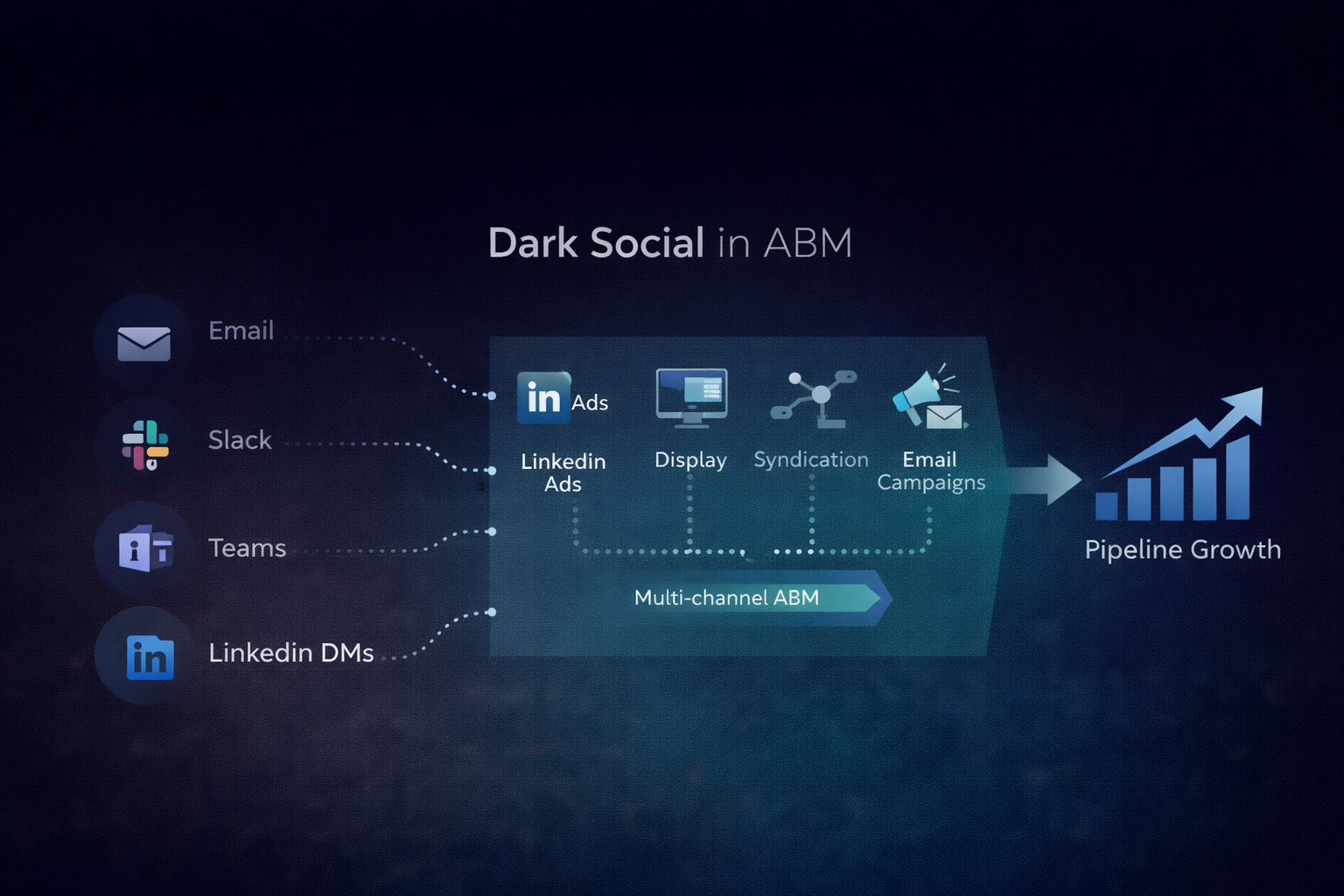
Dark Social in B2B Marketing: Turning Invisible Engagement into ABM Pipeline Growth
-
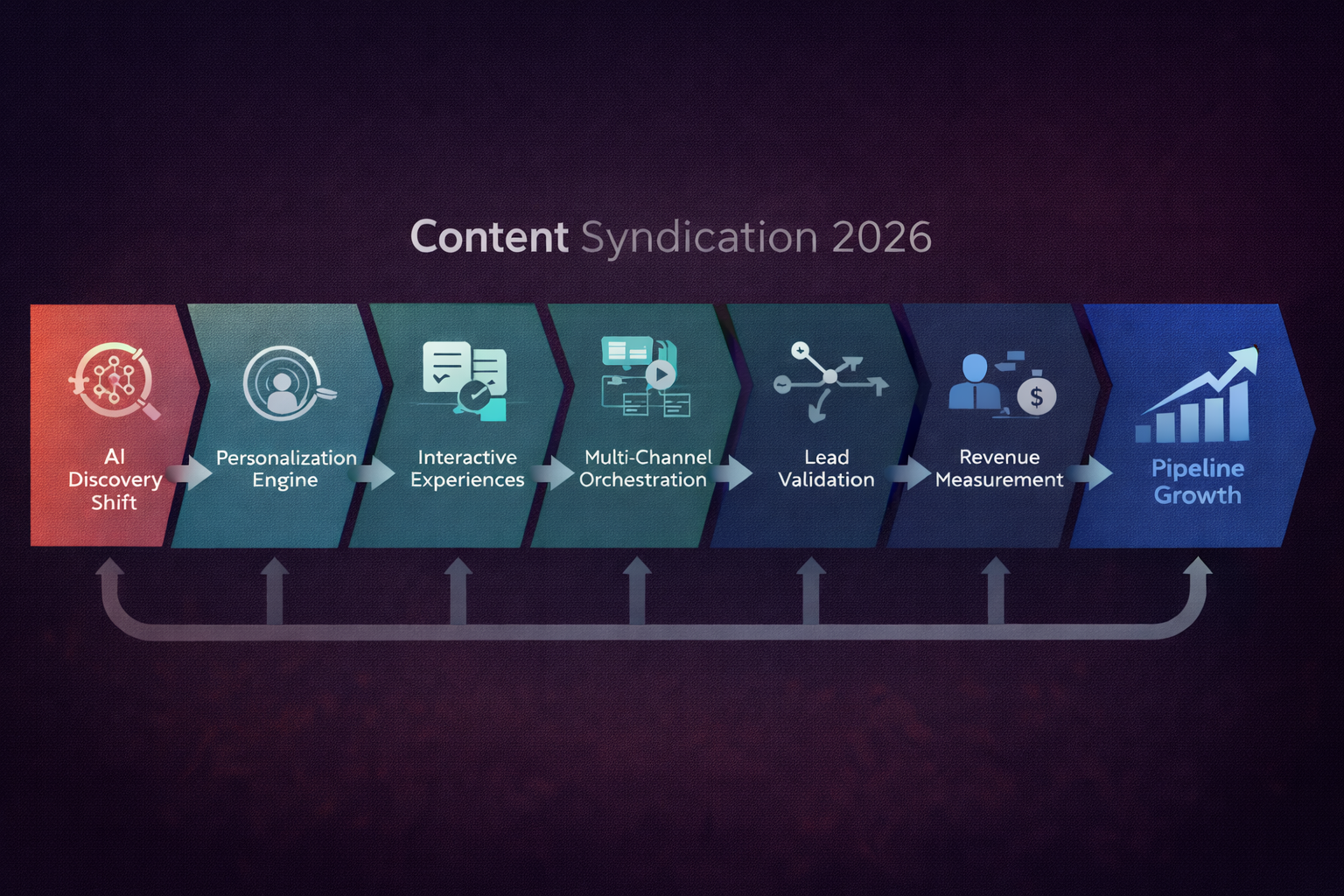
Content Syndication for ABM in 2026: 6 Strategic Shifts Driving Revenue, Not Just Leads
Get the Right Solution You Need from Our Expert Team Today
Quick, reliable support tailored to you.